Scoliosis Surgery and Recovery
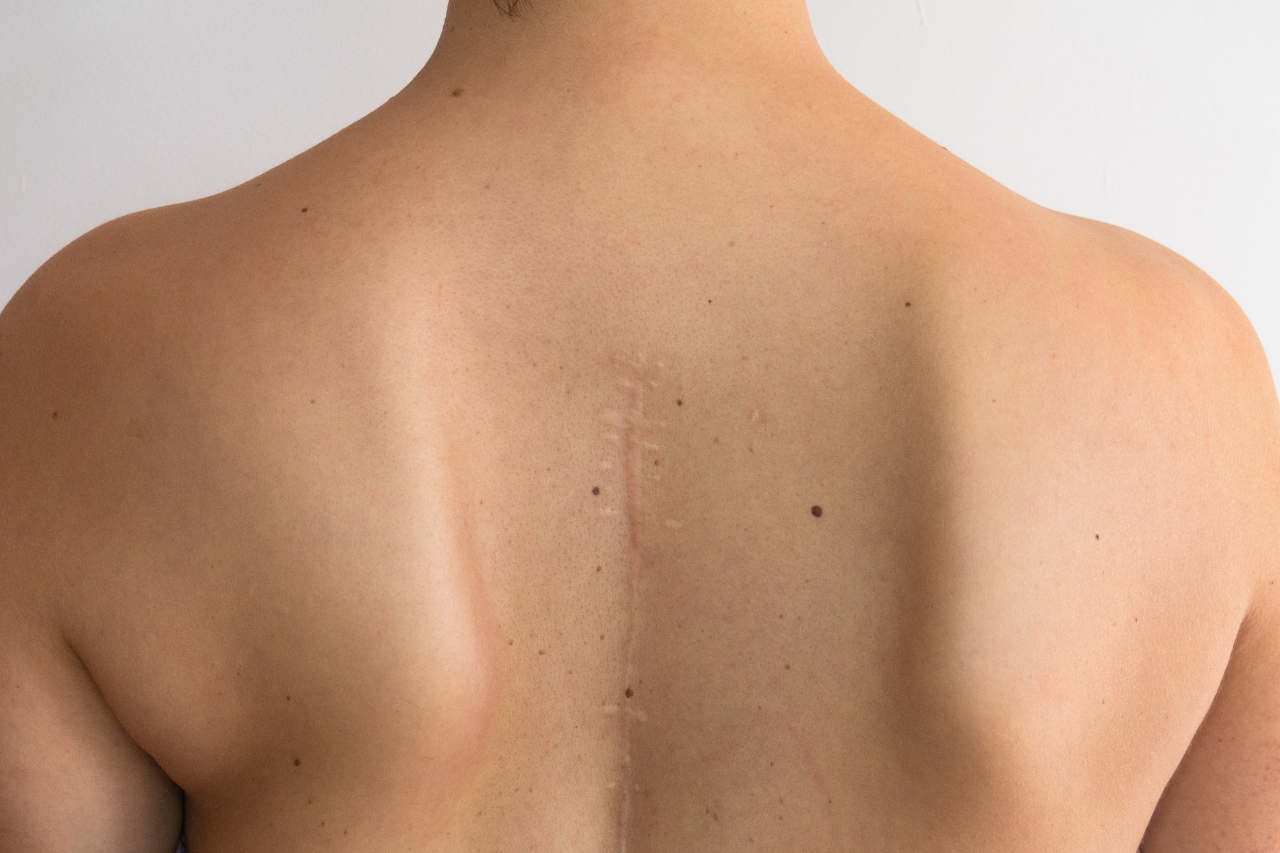
Structural scoliosis is an abnormal curving and twisting of the spine. It’s a permanent condition unless corrected by treatment.
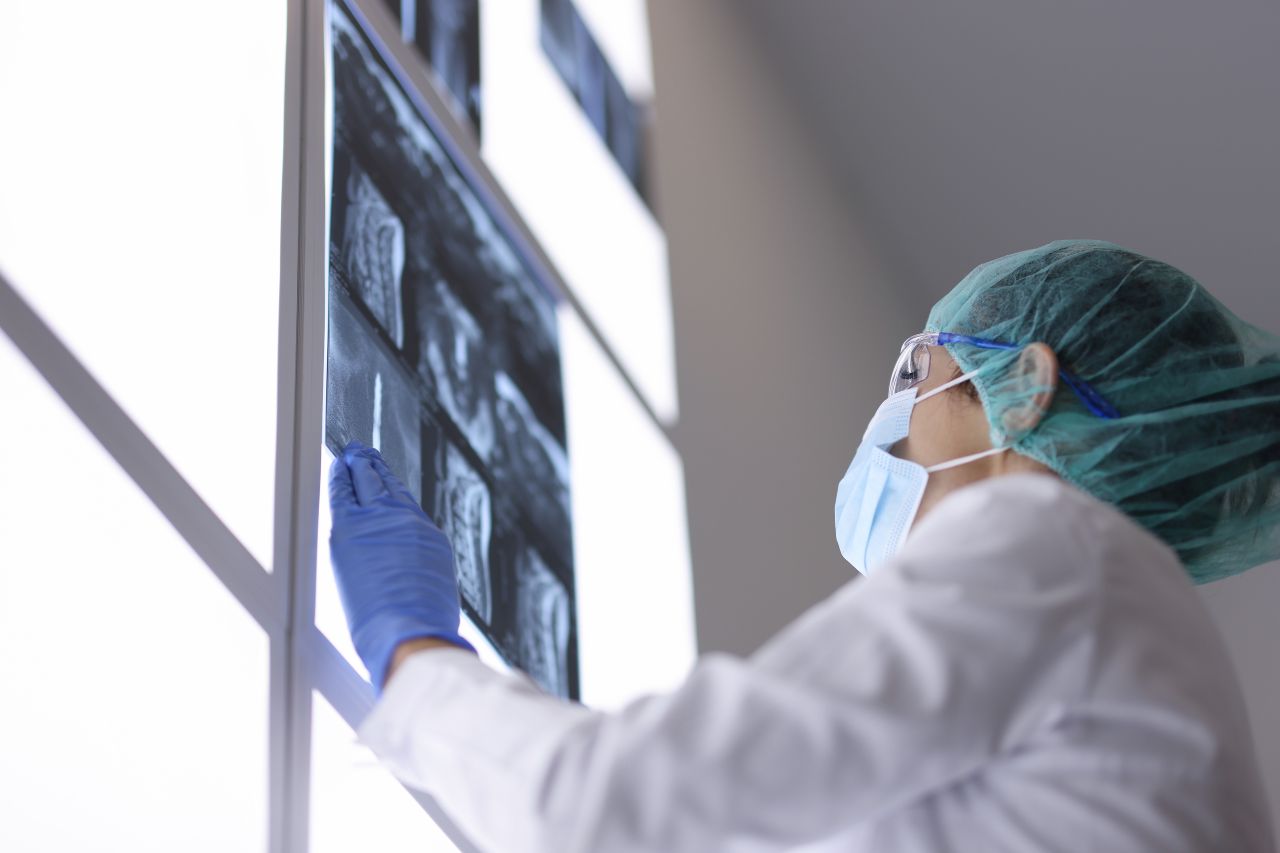
Doctors diagnose structural scoliosis using various physical exams and imaging procedures. If the curvature of your spine is 10% or more, you are considered to have scoliosis.
If you have mild scoliosis, your provider may not recommend active treatment, opting instead for ongoing observation and later intervention if the condition worsens. However, moderate or severe scoliosis may require scoliosis surgery.
Spinal Fusion Surgery for Scoliosis
A common surgery for scoliosis is spinal fusion. It can be performed on children, adolescents, and adults.
Spinal fusion involves permanently attaching two or more vertebrae (spinal bones) to help stabilize and straighten the spine. Surgeons fuse the vertebrae using bone from your body or a cadaver, along with screws and wire. They may alternatively use a synthetic bone substitute.
Spinal fusion surgery for scoliosis typically takes four to eight hours, depending on how many vertebrae are being connected and other factors. Because spinal fusion for scoliosis is a long and detailed procedure, recovery planning is an important part of treatment.
Scoliosis Spinal Fusion with a Harrington Rod
Spinal fusion for scoliosis can be completed using what’s called a Harrington rod. Doctors surgically implant this device and use hooks to attach it to the spine at points above and below the curve.
Today, the Harrington rod has largely been replaced by other devices that enable more points of attachment and can achieve better results in most cases. These advancements have improved outcomes for patients undergoing spinal fusion for scoliosis.
Scoliosis Spinal Fusion Surgery Risks
Spinal fusion is a major medical procedure. Like all scoliosis surgeries, it has risks, including:
- Bleeding
- Damage to nerves
Damage to blood vessels - Infection
- Slow wound healing
- Incomplete wound healing
- Blood clots
Recovering from Scoliosis Spinal Fusion Surgery
How long does it take to recover from spinal fusion surgery? That depends on several factors, but you can expect to be uncomfortable for a few days following your procedure. By the third or fourth day after your procedure, you should feel well enough to get out of bed and move around. That’s when you’ll be discharged from the hospital.
Your doctor will require you to refrain from driving for six weeks or more after your surgery to support proper healing and because you will be on pain medication.
Most patients improve steadily over several weeks to a few months. However, full recovery can take a year in some cases. Once you’ve recovered completely, you should be able to get back to all your favorite activities, including contact sports.
Recovery timelines vary, but most patients see steady improvement after undergoing spinal fusion for scoliosis.
Vertebral Body Tethering: Another Surgery for Children and Teens with Scoliosis
In addition to spinal fusion, children and teens can undergo another surgical procedure to correct scoliosis called vertebral body tethering. This minimally invasive procedure uses screws and flexible tethers that a doctor can gradually tighten to reduce a spinal curve.
Vertebral body tethering typically isn’t appropriate for adults.
Talk with Your Baptist Health Doctor About Surgical Treatments for Scoliosis
Scoliosis can cause pain and discomfort, and it can worsen over time. Spinal fusion and vertebral body tethering can stabilize the spine and reduce its curvature.
If you or your child has scoliosis, talk with your Baptist Health primary care provider about treatments. They can help determine whether scoliosis surgery, such as spinal fusion for scoliosis or other procedures, is appropriate for your condition. They can work with a neurologist to measure the spinal curvature, monitor it for progression, and determine the type of therapy or surgery that will produce the best outcome.